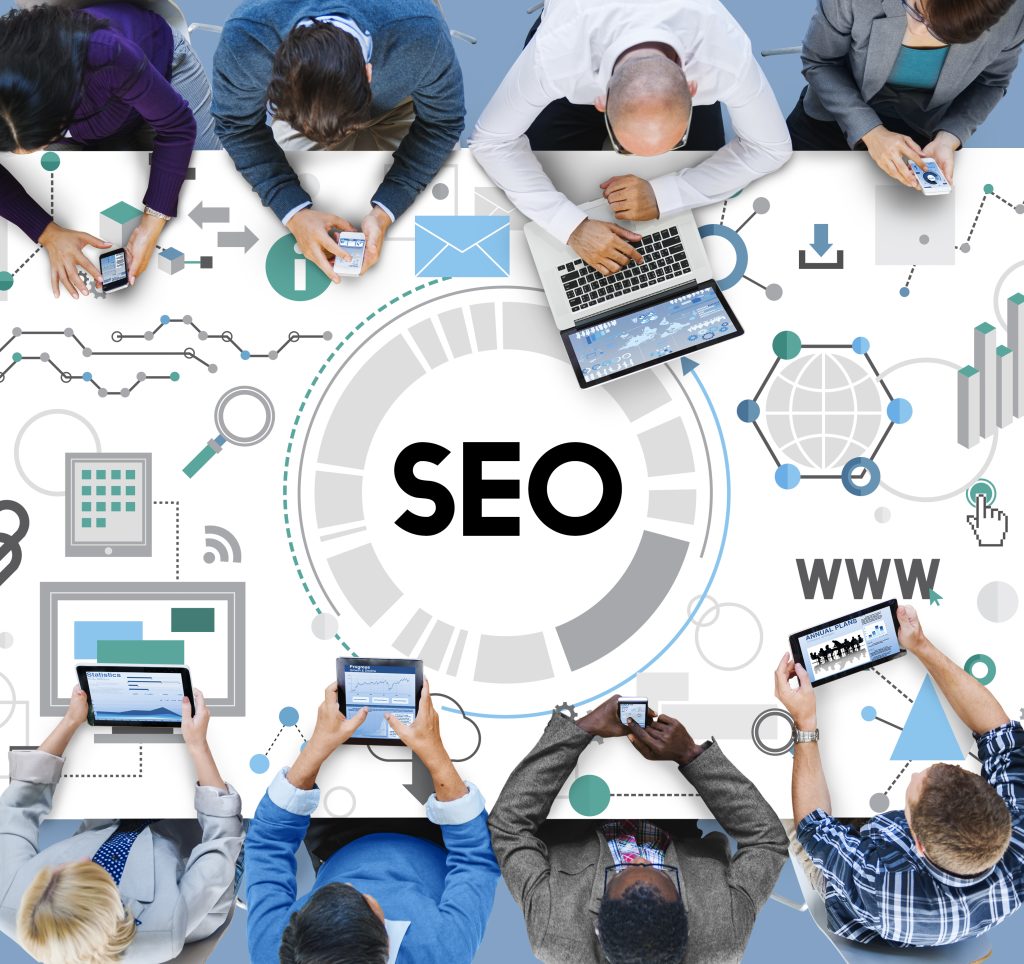
Search Engine Optimization (SEO) in 2026 is no longer limited to keywords and backlinks. It has become a sophisticated blend of artificial intelligence, user experience, search intent, and content authority. Search engines now evaluate not just what you publish, but how useful, trustworthy, and engaging your content is for users. To stay competitive, businesses must adopt advanced SEO strategies that align with modern algorithms.
1. AI-Driven Search Algorithms
Search engines in 2026 rely heavily on AI to understand context, intent, and user behavior. Algorithms analyze how users interact with content, including click-through rates, dwell time, and engagement signals.
Advanced approach:
- Create content that answers complete user intent, not just keywords
- Use semantic SEO (related terms, synonyms, context)
- Optimize for user satisfaction, not search engine tricks
AI rewards content that feels natural, helpful, and human-focused.
2. Search Intent Optimization (Core Ranking Factor)
Understanding search intent is now the foundation of SEO success. Every query falls into four main categories:
- Informational (learning something)
- Navigational (finding a specific site)
- Transactional (ready to buy)
- Commercial (research before purchase)
Strategy:
Align your content structure with intent. For example, blog posts for informational queries and landing pages for transactional searches.
3. Topical Authority & Content Clusters
Instead of ranking single pages, search engines now evaluate entire websites as topic authorities.
How to build authority:
- Create pillar content (main topic pages)
- Support with cluster articles (related subtopics)
- Interlink content strategically
- Cover topics in-depth rather than superficially
This approach improves both rankings and user navigation.
4. E-E-A-T: Experience, Expertise, Authority, Trust
E-E-A-T remains a critical ranking factor in 2026. Websites must prove credibility.
Optimization tips:
- Add author bios with real experience
- Use credible references and sources
- Maintain consistent branding
- Build high-quality backlinks from trusted sites
Trust signals directly impact rankings, especially in competitive niches.
5. Technical SEO & Core Web Vitals
Technical SEO ensures that your website is fast, accessible, and easy to crawl.
Key elements:
- Fast loading speed (under 2 seconds)
- Mobile-first design
- Secure HTTPS connection
- Clean site architecture
- Structured data (schema markup)
Core Web Vitals (performance, interactivity, visual stability) are essential for ranking and user experience.
6. Voice Search & Conversational SEO
Voice search is growing rapidly due to smart assistants.
Optimization techniques:
- Use natural, conversational language
- Focus on question-based queries
- Create FAQ sections
- Optimize for featured snippets
Voice SEO increases chances of appearing in zero-click results.
7. Zero-Click Searches & Featured Snippets
Many users now get answers directly on search results pages without clicking.
How to optimize:
- Provide clear, concise answers
- Use bullet points and lists
- Add structured headings (H1, H2, H3)
- Include schema markup
Winning featured snippets increases visibility and authority.
8. Content Quality Over Quantity
In 2026, publishing more content does not guarantee success. Quality is the key.
Focus on:
- In-depth, well-researched articles
- Original insights and data
- Clear structure and readability
- Regular content updates
Search engines prefer fewer high-quality pages over many low-value ones.
9. Link Building in 2026
Backlinks are still important, but quality matters more than ever.
Advanced link strategies:
- Earn links through valuable content
- Guest posting on authority sites
- Digital PR and brand mentions
- Avoid spammy or low-quality links
Natural link profiles help maintain long-term rankings.
10. User Experience (UX) as a Ranking Factor
User experience directly affects SEO performance.
Important UX signals:
- Low bounce rate
- High engagement time
- Easy navigation
- Mobile responsiveness
A well-designed website keeps users engaged, which signals value to search engines.
Conclusion
Advanced SEO in 2026 requires a holistic approach that combines technical optimization, high-quality content, and deep understanding of user intent. Success is no longer about manipulating algorithms but about delivering real value to users. Businesses that focus on AI-driven strategies, topical authority, and user experience will dominate search rankings in the evolving digital landscape.